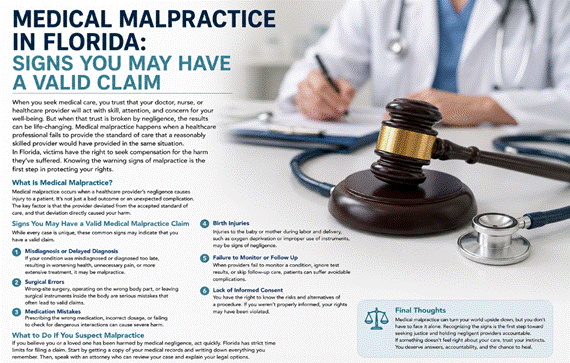
Medical care does not always lead to the result a patient hopes for. Sometimes a treatment fails, a condition gets worse, or recovery takes longer than expected. That alone does not always mean medical malpractice happened. In Florida, a valid medical malpractice claim usually depends on whether a healthcare provider failed to meet the accepted standard of care and whether that failure caused harm.
This can be hard to understand at first. Patients often know something went wrong, but they may not know if it was a medical mistake, a known risk, or an unavoidable result. That is why it helps to know the common warning signs of a possible claim.
A Serious Injury Happened After Treatment
One of the first signs is a new or worsened injury after medical care. This could happen after surgery, childbirth, diagnosis, medication, emergency treatment, or a hospital stay.
Not every bad outcome is malpractice. Some procedures carry risks even when performed correctly. But if the injury seems unusual, severe, or poorly explained, it may deserve closer review.
Examples may include unexpected organ damage, nerve injury, infection, excessive bleeding, worsened illness, or a condition that became harder to treat because of delayed care.
The Diagnosis Was Delayed or Wrong
A delayed or incorrect diagnosis can cause serious harm. If a provider misses clear symptoms, fails to order proper tests, ignores abnormal results, or sends a patient home too soon, the patient may lose important treatment time.
This is especially concerning when the condition is time-sensitive. Cancer, stroke, heart attack, sepsis, internal bleeding, and serious infections often need fast action. A delay can change the outcome.
A valid claim may exist if another reasonably careful provider would have recognized the signs sooner and the delay caused measurable harm.
A Medication Error Caused Harm
Medication errors are another common issue. These mistakes can involve the wrong drug, wrong dose, wrong patient, unsafe drug combination, or failure to check allergies.
Some medication errors cause mild symptoms. Others can lead to hospitalization, organ damage, overdose, allergic reaction, or death. If the medication mistake was preventable and caused injury, it may support a malpractice claim.
Patients should keep records of prescriptions, discharge papers, pharmacy labels, and any symptoms that appeared after taking the medication.
Surgery Did Not Match the Expected Standard of Care
Surgical complications do not automatically mean malpractice. However, some surgical errors are serious warning signs. These can include wrong-site surgery, retained surgical objects, anesthesia mistakes, avoidable infections, poor monitoring, or failure to respond to complications.
Another concern is lack of informed consent. Patients should receive clear information about major risks, possible alternatives, and the purpose of a procedure. When important information is left out, the patient may not have had a fair chance to make an informed decision.
The Provider Ignored Symptoms or Concerns
Patients often sense when something is wrong. If a provider ignores repeated complaints, dismisses serious symptoms, fails to follow up, or does not review test results, the situation may become dangerous.
This does not mean every disagreement is malpractice. But if clear signs were missed and the patient was harmed because of it, the care may need to be reviewed.
Records Do Not Match What Happened
Medical records matter in Florida malpractice cases. If chart notes are missing, inconsistent, or very different from what the patient remembers, that can raise concerns.
Patients should request copies of records, test results, prescriptions, imaging reports, discharge instructions, and billing documents. These records help show what happened and when it happened.
Florida Has Special Claim Requirements
Florida medical malpractice claims have strict presuit rules. Before filing a lawsuit, a claimant generally must complete a presuit investigation and notify each prospective defendant of the intent to initiate medical negligence litigation. Florida law also includes a 90-day presuit screening period after notice is delivered. A verified written medical expert opinion is also required to support reasonable grounds for the claim.
Deadlines also matter. Florida medical negligence claims are generally subject to a two-year limitations period, with additional rules and exceptions depending on discovery of the injury and case facts. Because timing can affect the right to bring a claim, delays can create problems.
Final Thoughts
A valid medical malpractice claim in Florida usually needs more than a bad result. There must be evidence that the provider failed to meet the proper standard of care and that the failure caused harm.
Warning signs include a serious unexplained injury, delayed diagnosis, medication error, surgical mistake, ignored symptoms, or records that do not match the care received. Anyone who suspects malpractice should gather records, write down a timeline, and seek guidance before important deadlines pass.
This post was written by a professional at Bonardi & Uzdavinis, LLP. Bonardi & Uzdavinis, LLP is a boutique, full service law firm providing its clients with a wide range of representation. Our primary areas of practice include real estate, probate, personal injury, construction, and commercial litigation. If you are looking for a real estate attorney or brandon personal injury lawyer contact us today for a case evaluation today!





 Enforce Law
Leave a comment